Table of contents
Step into a world where character and history merge seamlessly with style—vintage furniture offers a unique charm that modern pieces often lack. The allure of these timeless creations goes beyond mere aesthetics, bringing warmth, individuality, and sustainability into any living space. Uncover how vintage furniture can transform your home and lifestyle, and why this trend continues to captivate design enthusiasts and collectors alike.
Understanding vintage furniture appeal
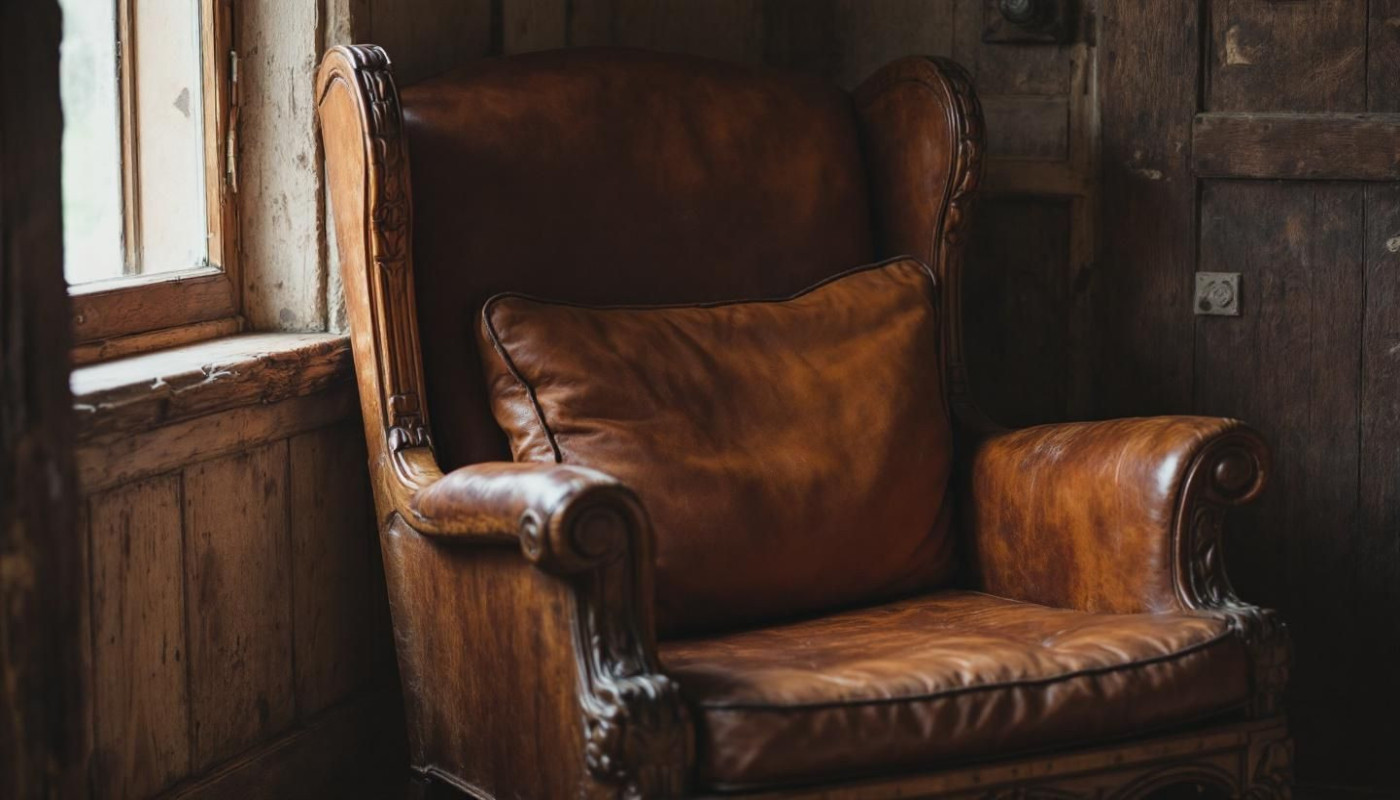
Vintage furniture captivates with its distinct visual allure and timeless character, making it a centerpiece in interior design and home decor. Each piece, bearing the marks of age such as a beautiful patina, tells a unique story and reflects the era of its creation. This sense of history is deeply intertwined with nostalgia, resonating with those who appreciate the memories woven into every detail. The craftsmanship evident in vintage furniture sets it apart from modern mass-produced items, showcasing intricate joinery, hand-carved embellishments, and quality materials that speak to the dedication of past artisans.
In addition to its aesthetic merits, vintage furniture enriches interiors by serving as a bridge between the past and present, offering a layered, curated look that’s difficult to replicate with new furnishings. These pieces often spark engaging conversations, drawing attention and admiration from guests who are intrigued by their origin and design. For enthusiasts of home decor, incorporating vintage furniture isn’t just about style—it’s about embracing authenticity, sustainability, and a profound appreciation for workmanship. This enduring appeal ensures that vintage furniture remains a cherished component in the evolving narrative of interior design.
Sustainability and eco-friendly choices
Choosing vintage furniture is a highly effective way to support sustainability, as it directly reduces the demand for newly manufactured items and the extraction of raw materials. By incorporating recycled furniture into your sustainable home, you contribute to minimizing landfill waste and lower the environmental impact traditionally associated with the furniture industry. Eco-friendly practices such as repurposing, upcycling, and restoring existing pieces are often praised in life cycle assessment studies, which evaluate the total environmental footprint of a product. These approaches align with the principles of responsible consumption, ensuring that each furniture purchase reflects a conscious decision to prioritize both style and environmental stewardship.
In addition, vintage furniture offers a unique blend of character and quality that modern mass-produced alternatives often lack. Making eco-friendly choices in interior design, such as opting for restored or repurposed pieces, not only extends the lifespan of valuable materials but also supports local businesses and artisans specializing in sustainable interiors. For those seeking thoughtfully curated options, The Auctionlab provides access to a diverse selection of vintage and recycled furniture, making it easier to embrace responsible consumption and sustainable decorating in every room.
Quality and longevity of vintage pieces
Vintage furniture stands out in terms of quality furniture and longevity, thanks to the use of durable materials like hardwoods, solid metals, and hand-finished veneers. Traditional construction techniques, particularly expert joinery methods such as dovetail joints and mortise-and-tenon connections, are commonly found in these pieces, setting them apart from many mass-produced, modern alternatives that often rely on adhesives and low-cost composites. Furniture restoration specialists frequently emphasize that investment pieces crafted decades ago were built to withstand generations of use. To assess vintage value and long-term potential, examine the precision of the joinery, the condition of the wood or metal, and the integrity of original finishes. These factors not only contribute to the lasting appeal of vintage furniture, but also make them highly sought after as quality furniture that retains both functionality and aesthetic appeal over time.
Incorporating vintage into modern spaces
Blending vintage decor with a modern home requires thoughtful design tips to achieve visual harmony. Start by selecting a color palette that unites both eras; neutral backgrounds such as whites, grays, or muted earth tones allow vintage furniture to stand out without clashing. When mixing styles, pair richly textured vintage pieces with sleek, contemporary surfaces to create dynamic eclectic interiors. Layering fabrics—like pairing velvet or brocade sofas with minimalist cotton or linen cushions—adds depth while maintaining balance. Professionals in interior styling recommend using iconic vintage items as focal points, such as a mid-century armchair or an ornate sideboard, while surrounding them with understated modern elements. This approach ensures that vintage pieces capture attention without crowding the room or creating visual noise.
To accentuate the charm of vintage furniture in a modern home, integrate lighting and accessories that complement both styles for a seamless transition. For example, a retro lamp atop a contemporary console table bridges the gap between time periods. Aim for proportion by positioning larger vintage items in open spaces and using smaller accents, like mirrors or vases, to subtly echo the era. Consistency in metal finishes or wood tones across both vintage and new pieces can further tie the look together. Expert interior stylists stress the significance of negative space, suggesting that leaving some areas uncluttered allows each design element to breathe, resulting in a cohesive and inviting environment that embraces the best of mixing styles.
Finding and caring for vintage finds
Sourcing authentic vintage furniture can be a rewarding journey for enthusiasts, offering unique pieces with rich histories and character unavailable in modern mass production. Begin your search at reputable antique shops, estate sales, specialized online platforms, and local flea markets known for genuine selections. To verify authenticity, examine the provenance of each item by requesting documentation or discussing the piece’s history with the seller. Look for quality craftsmanship, original hardware, dovetail joints, and signs of age, such as patina or minor wear, which often indicate a legitimate vintage origin. When inspecting condition, check for structural soundness and any concealed damage that may affect future use or restoration.
Proper vintage furniture care is critical to preserving both value and appearance. For routine furniture maintenance, dust with a soft cloth, avoid exposure to direct sunlight, and maintain stable humidity levels to prevent warping or cracking. Use gentle cleaners designed for antique woods and finishes, and refrain from harsh chemicals that can strip original surfaces. If restoration is needed, consult an antique furniture conservator for specialized restoration tips that respect the item’s integrity, ensuring that any repairs are reversible and use period-appropriate materials.
Protecting your authentic finds from pests and moisture is a vital aspect of vintage furniture care. Inspect regularly for signs of infestations, such as tiny holes or frass, and address issues promptly with professional guidance. Simple preventative measures, such as using felt pads under legs and avoiding overloading shelves, further extend longevity. By combining careful antique shopping with ongoing maintenance, each piece can be enjoyed for generations, retaining both its beauty and financial value.
On the same subject
How To Choose The Right Duvet Cover For Every Season?

Exploring The Efficiency Of Modern Mulchers And Chippers In Land Restoration

How Ultrasonic Technology Is Revolutionizing Pest Control?

Essential Tips For Maintaining And Storing Luxury Watches

Exploring The Benefits And Challenges Of Rooftop Gardens

Exploring The Popularity And Cultural Significance Of Garden Gnomes

Exploring Alternative Seating: Health Benefits Of Bean Bags
